Description
Product Overview
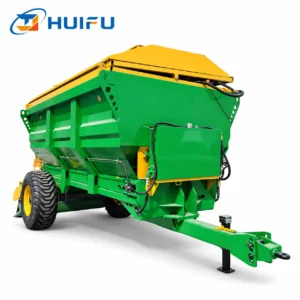
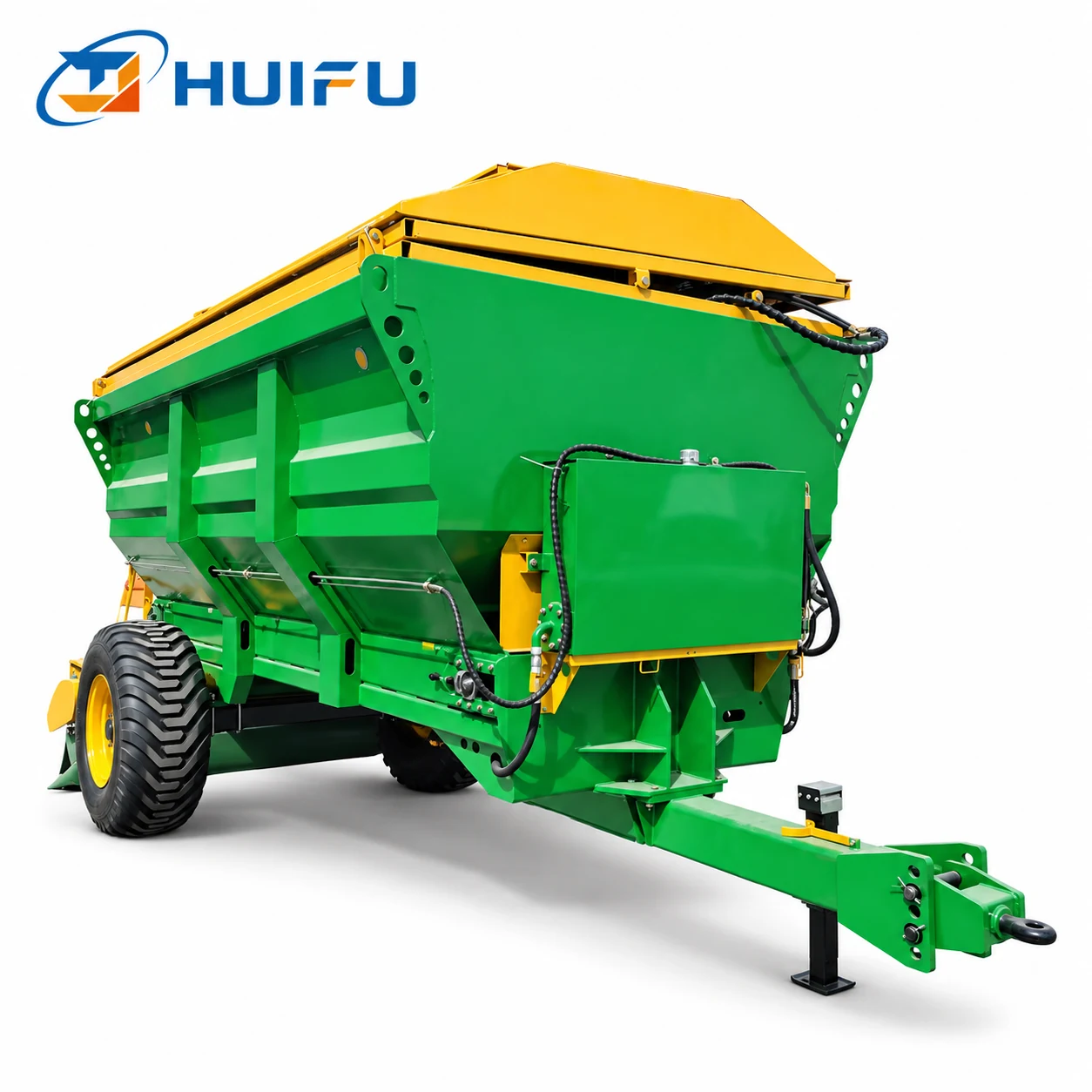
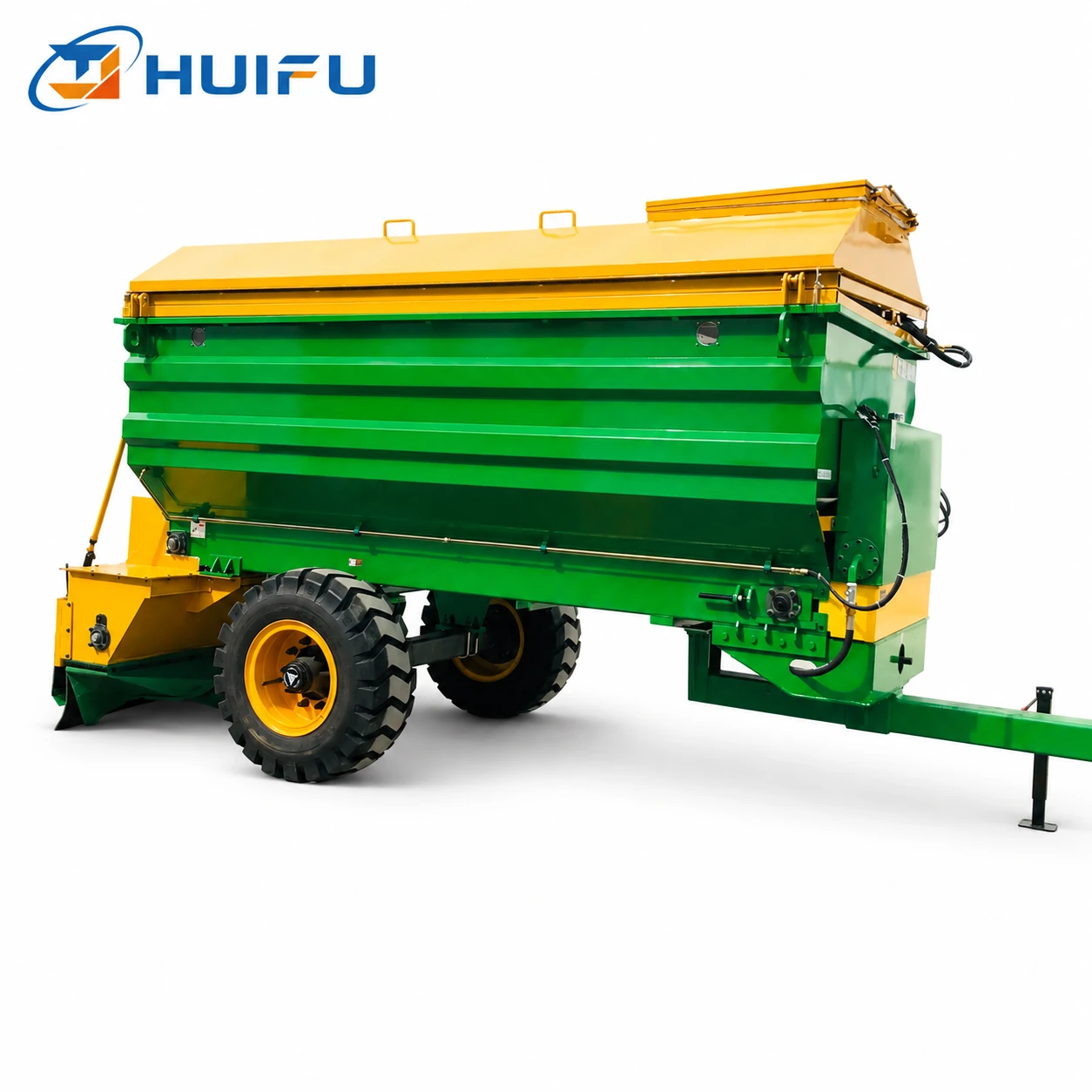
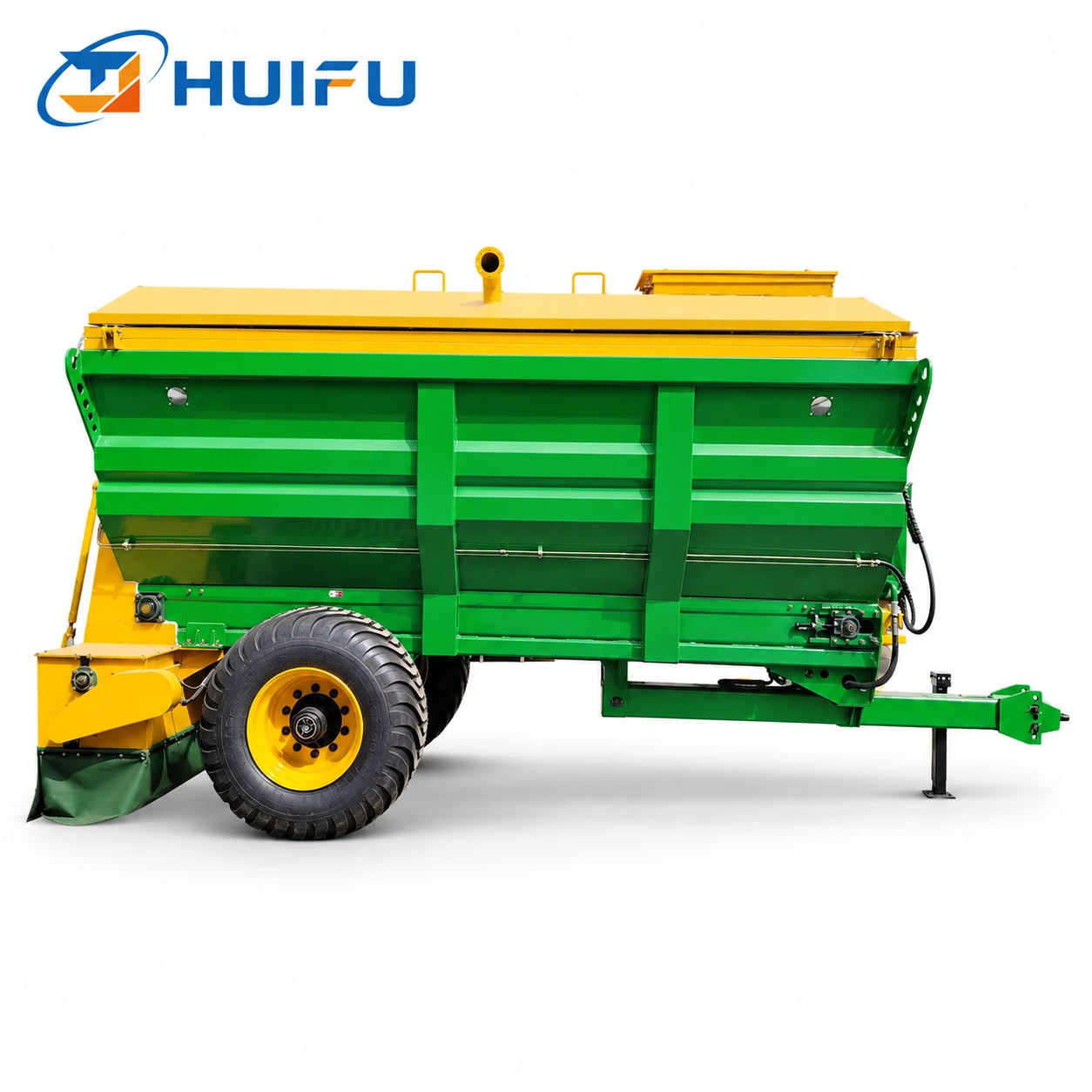
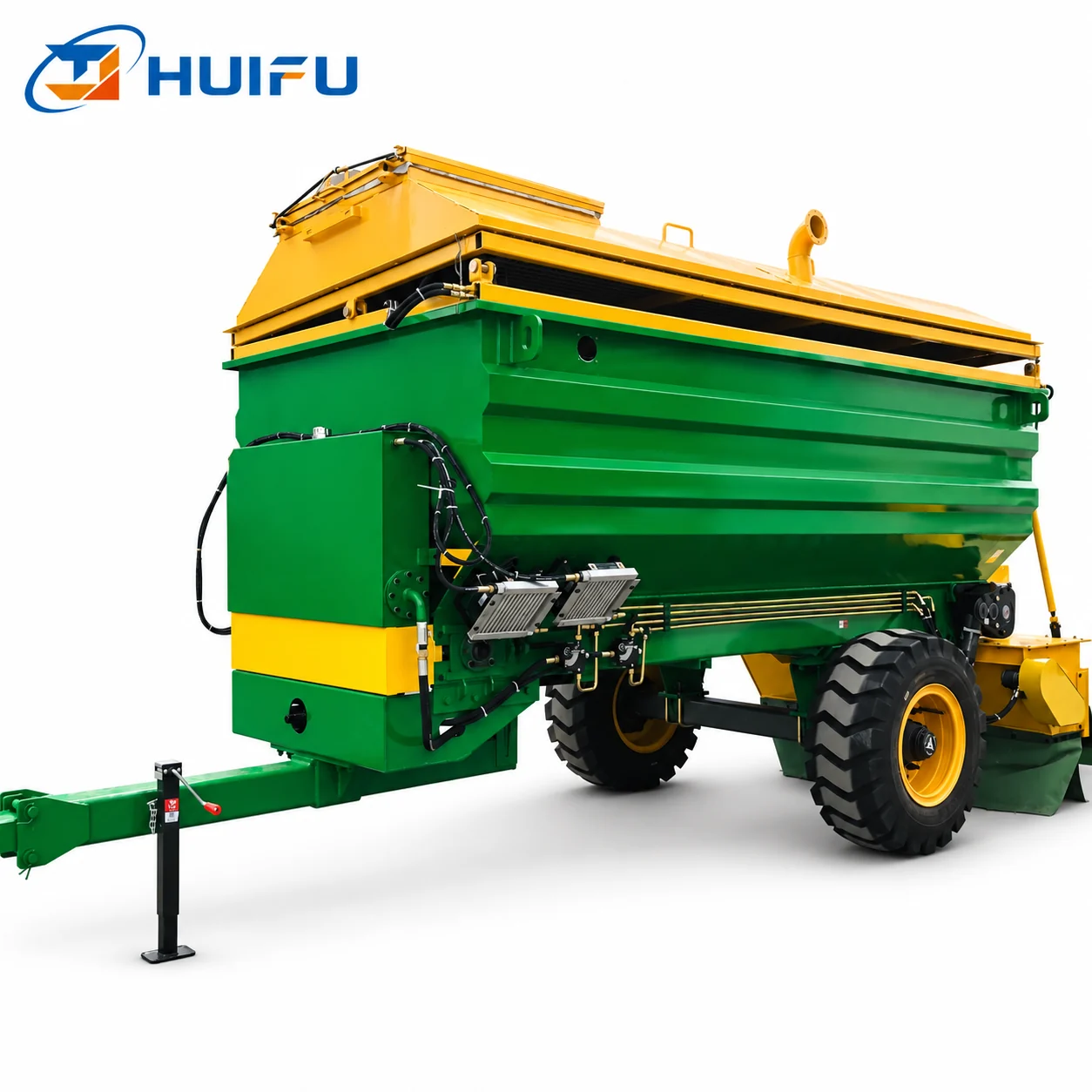
The 12 Cubic Meter Lime and Cement Powder Spreader is designed for controlled spreading of powdered materials such as lime and cement in road construction and ground treatment applications.
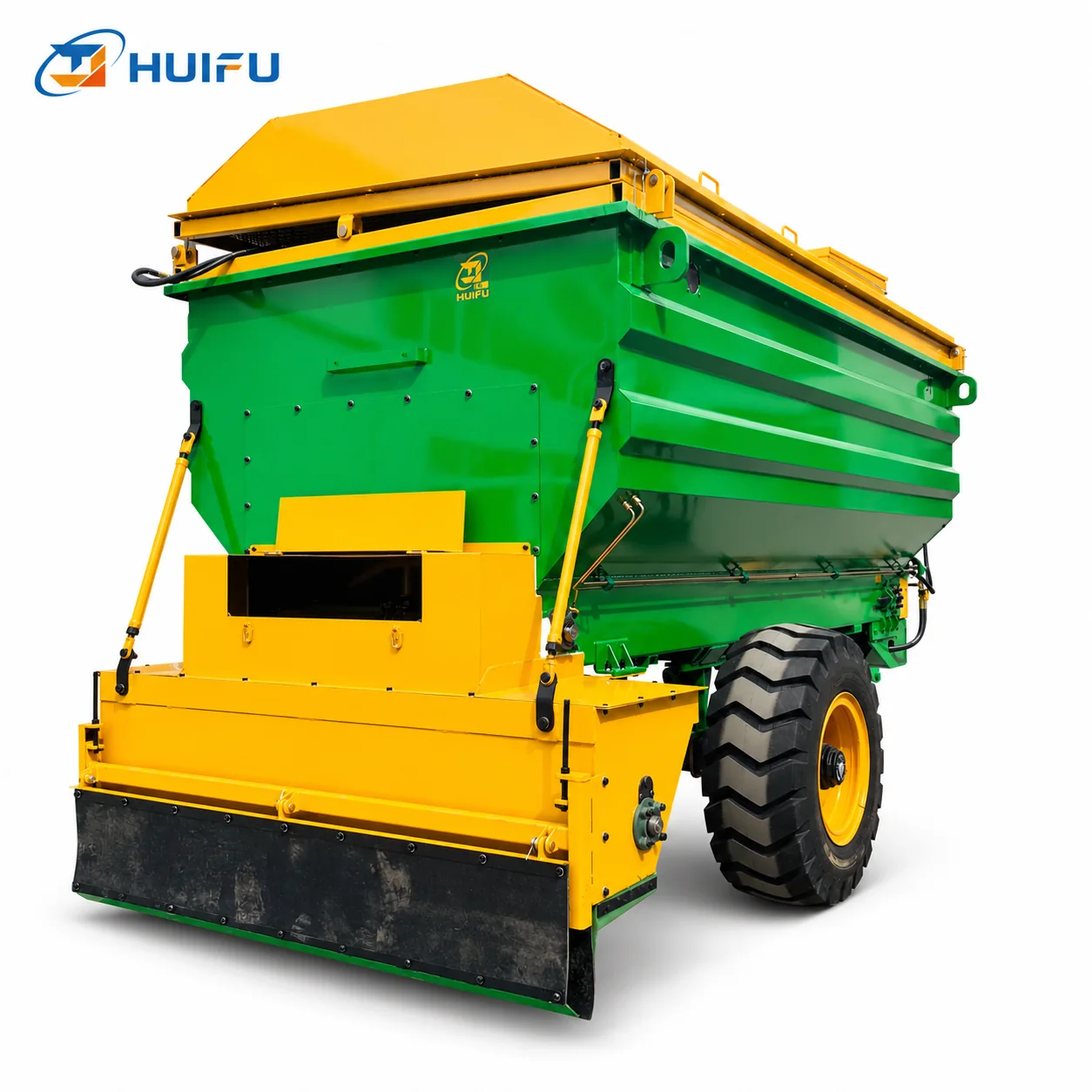
The machine uses a box-type hopper, mechanically driven chain-slat feeding system, screw material distribution and an oscillating housing spreading mechanism. Hydraulic operation controls the spreading system, while the material feed rate and discharge opening can be adjusted to regulate output.
The enclosed spreading cover helps reduce dust during operation, making the machine suitable for powder-material spreading where controlled delivery and more consistent distribution are required.
Key Features and Advantages
12m³ Powder Hopper
The 12m³ hopper provides high material capacity for larger spreading operations.
Dual Chain-Slat Feeding System
The double chain-slat feeding structure provides stable material delivery and supports controlled powder spreading.
Screw Distribution and Oscillating Housing Spreading
The spreading system uses screw material distribution together with an oscillating housing structure to distribute powder material across the working width.
Adjustable Material Output
A speed control valve allows the chain-slat feed speed to be adjusted, while a hydraulic discharge gate allows the outlet opening to be changed according to the required spreading amount.
Dust-Control Spreading Cover
The spreading cover is designed to reduce airborne dust during lime and cement spreading operations.
Automatic Spreading Control
The machine uses automatic control so that the spreading amount per square meter is not affected by changes in vehicle speed.
Adjustable Feeding Components
The conveying screw and material distribution roller can be speed-controlled to improve spreading consistency.
Technical Specifications
| Model | HFS12-2500 |
|---|---|
| Product Type | Lime and Cement Powder Spreader |
| Structure Type | Box Body |
| Operating Method | Spreading |
| Overall Dimensions | 5785×2900×2400mm |
| Hopper Internal Dimensions | 4600×(2500/1500)×1480mm |
| Powder Hopper Volume | 12m³ |
| Maximum Load Capacity | 12000kg |
| Vehicle Drive Power Requirement | ≥140kW |
| Spreading Device Type | Screw Distribution with Oscillating Housing Spreading |
| Powder Feeding System | Mechanically Driven Chain-Slat Feeding |
| Spreading Width | 2.5m |
| Self-Contained Power | 120HP |
| Operating Drive | Hydraulic |
| System Voltage | 24V |
| Gear Pump Quantity | 1 |
| Motor Quantity | 3 |
Applications
Suitable for:
- – Road construction
- – Roadbed treatment
- – Ground stabilization work
- – Powder material spreading operations
Applicable materials:
- – Powdered lime
- – Cement
Operation Instructions and Safety Notes
Pre-operation inspection
Check the hopper, chain-slat feeding system, hydraulic system, spreading mechanism, discharge gate and protective spreading cover before operation. Make sure all moving parts operate normally and no material blockage is present.
Material loading
Load suitable dry powder material into the hopper. Avoid large foreign objects or heavily caked material that may interfere with the chain-slat conveyor, screw distributor or discharge opening.
Spreading adjustment
Set the chain-slat feed speed and hydraulic discharge gate opening according to the required material output. Confirm the spreading mechanism is operating normally before beginning continuous work.
Operating safety
Keep personnel away from the discharge and spreading area while the machine is operating. Stop the drive system before inspecting, cleaning or removing any blockage from the feeding or spreading components.
Dust precautions
Keep the spreading cover correctly positioned during powder spreading. Operators should follow site requirements for handling lime, cement and other dusty materials.
Maintenance Recommendations
- – Remove residual powder from the hopper, conveyor, screw distributor and spreading mechanism after operation.
- – Check the dual chain-slat feeding system regularly for wear, tension and smooth movement.
- – Inspect hydraulic hoses, valves, the gear pump and motors for leakage or abnormal operation.
- – Keep the hydraulic discharge gate clean and confirm it opens and closes smoothly.
- – Check the screw distributor and material distribution roller for wear or material buildup.
- – Clean the spreading cover and surrounding components after use.
- – Store the equipment in a dry, ventilated area when not in service.